
How Modular Vehicle Wraps Work
Are you looking to make your commercial vehicle a mobile billboard for your brand? Commercial vehicle wraps are a popular way to increase brand visibility and reach potential customers. But with two primary types to choose from—traditional and modular—how do you decide which is right for your business? Let’s break down the key differences and help you make an informed decision.
From One Surface to a Structured System
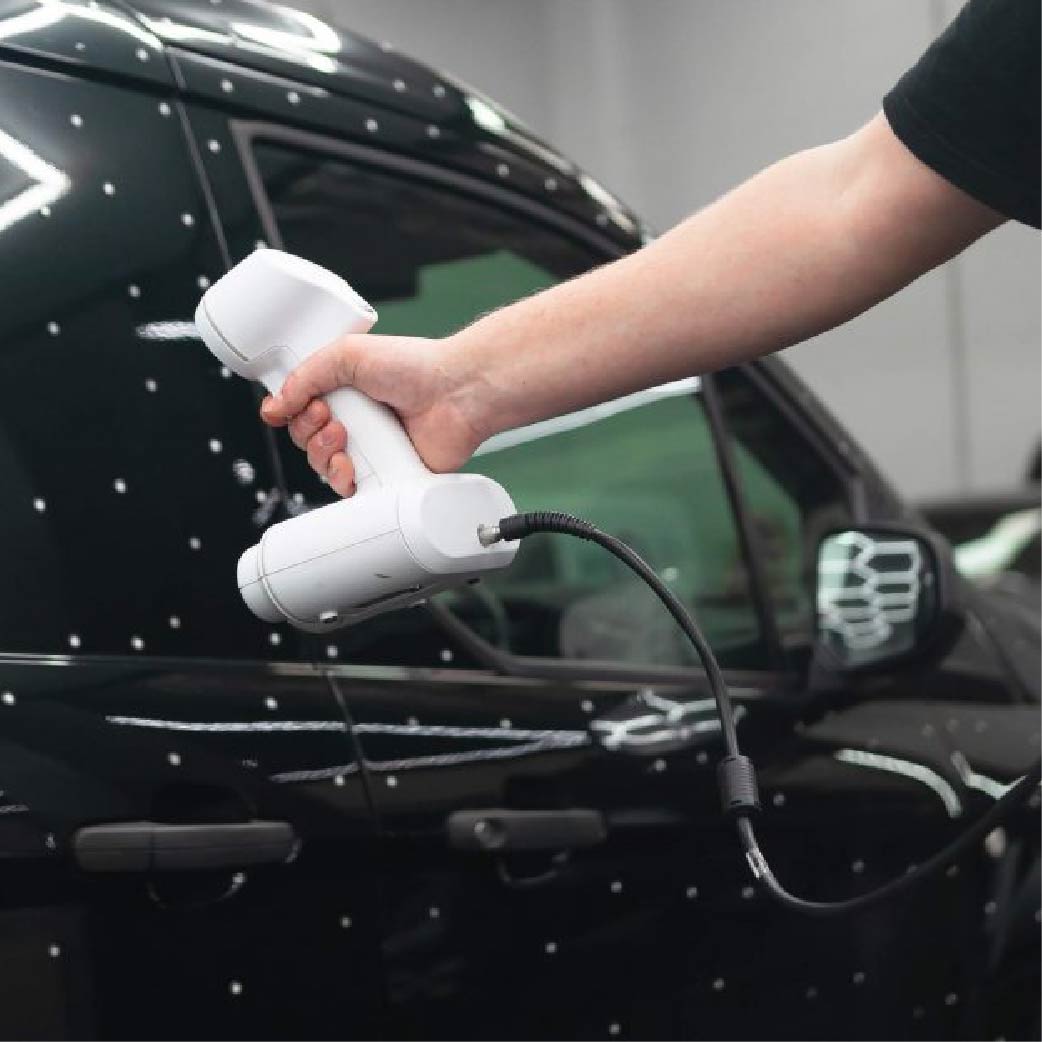
Traditional wraps approach the vehicle as a single visual field. Graphics are printed in large sections and applied across body panels to create a seamless finish.
Modular branding takes a different approach.
The vehicle is divided into engineered zones from the outset. Each zone is designed to hold specific branding elements with defined proportions and placement.
Visually, the result still appears cohesive. Structurally, however, each area functions independently. This allows the branding to behave differently over time.
How Modular Branding Is Installed
The process begins with structured design planning.
Rather than producing one wrap layout, the branding is developed as a repeatable system. Key elements such as logos, colour blocks, and messaging are standardised so they can be applied consistently across vehicles of different sizes.
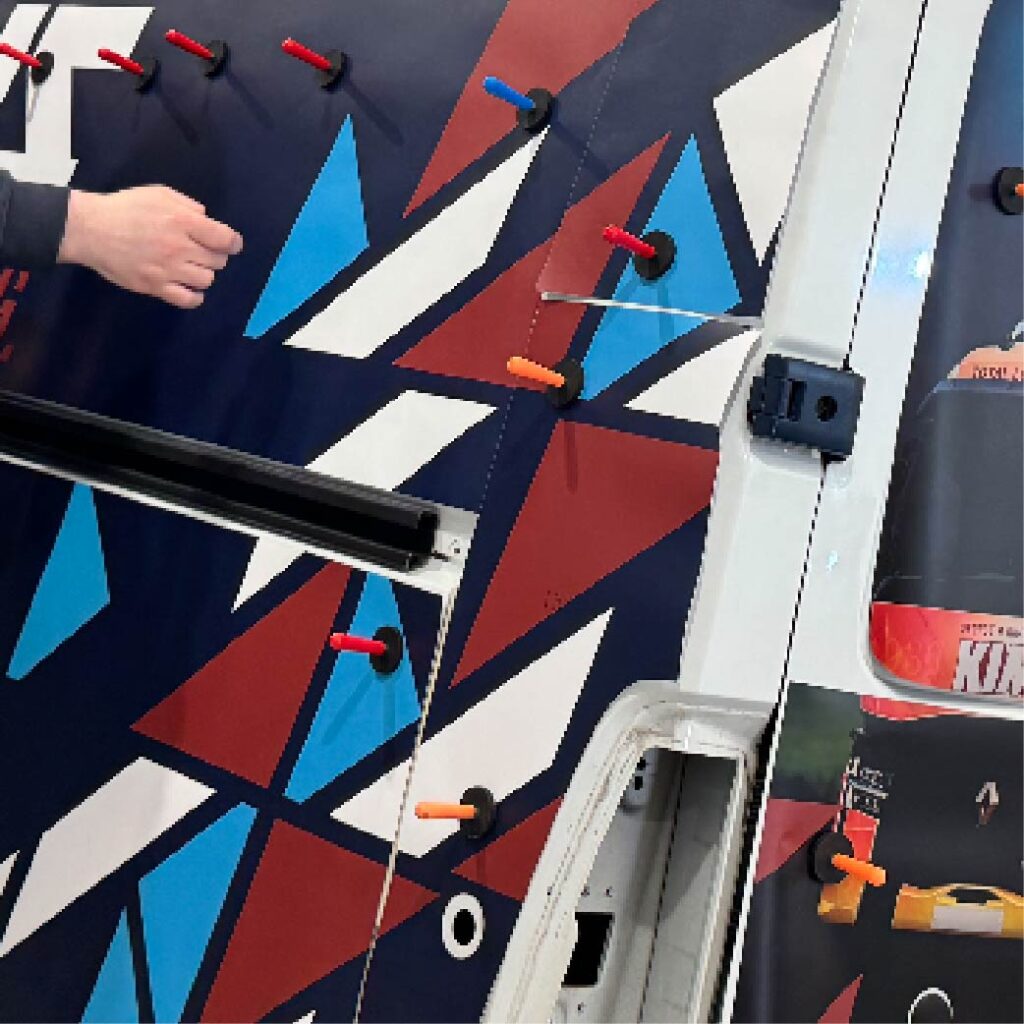
During installation, individual modular panels are applied to their designated zones.
Each panel aligns with the wider design while remaining separate from adjacent areas.
This creates a finish that looks unified on day one while remaining flexible in the future.
Why Vehicle Branding Matters!
The global vehicle wrap market was valued at $7 billion in 2023 and is projected to reach $40 billion by 2033, growing at a CAGR of 19.4%. With such rapid growth, investing in vehicle graphics will be a surefire way to further your brand visibility.
With bold film colours and custom designs, investing in a bold, memorable van wrap or van graphics can be a key way to resonate with new and potential customers and help you to stand out from the crowd.
Repair and Replacement
Vehicles in operational fleets experience wear. Scrapes, dents, and panel replacements are common over the lifespan of a vehicle. With traditional wraps, damage often requires removing and reapplying large sections of graphics. With modular branding, the affected panel can be replaced independently while the rest of the design remains intact. This reduces downtime, avoids unnecessary material waste, and keeps vehicles looking consistent without full reinstallation.
Rebranding and Brand Evolution
Businesses change. Services expand, messaging shifts, and visual identities evolve. In wrap-led systems, mid-contract rebrands often mean stripping and rewrapping entire vehicles. In a modular system, updated elements can be introduced selectively. Specific panels are replaced while the rest of the structure remains consistent. The vehicle does not need to start again each time branding changes.
Fleet Expansion and Consistency
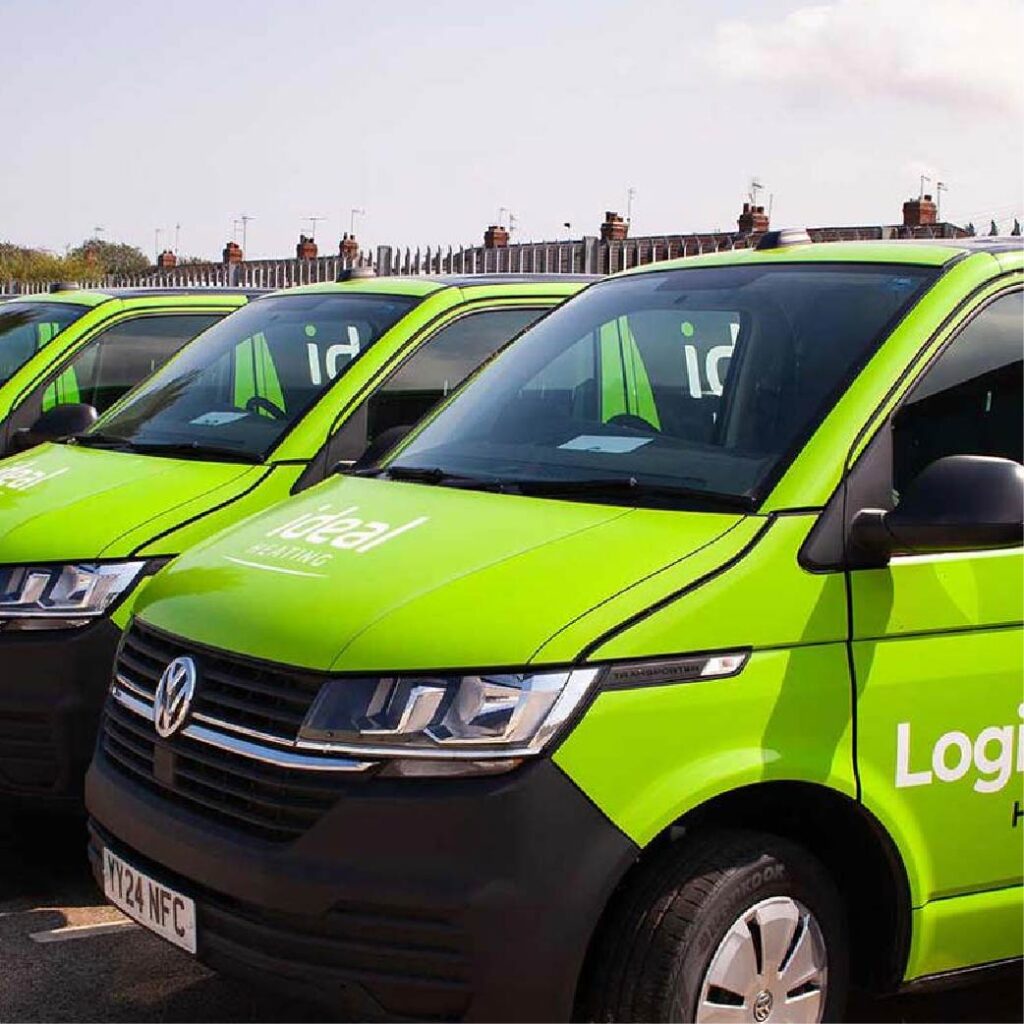
As fleets grow, maintaining visual consistency becomes more complex. Because modular branding is built as a repeatable system, new vehicles can be integrated without redesigning the approach each time. Proportions, placements, and visual balance remain aligned across the fleet. The system scales as the business grows.
Visual Quality and Finish
From a visual perspective, modular branding delivers a cohesive and professional appearance. The difference lies not in how it looks on day one, but in how it performs over time. The system balances visual impact with structural flexibility, allowing fleets to maintain a strong brand presence without repeated disruption.
Designed for Operational Reality
The principle behind modular vehicle branding is simple: fleets change.
Vehicles are added, removed, reassigned, repaired, and refreshed. A branding approach designed around permanence struggles when exposed to that reality. A system designed around change adapts to it.
Modular vehicle branding was developed specifically for businesses where vehicles are operational assets rather than static display pieces.